
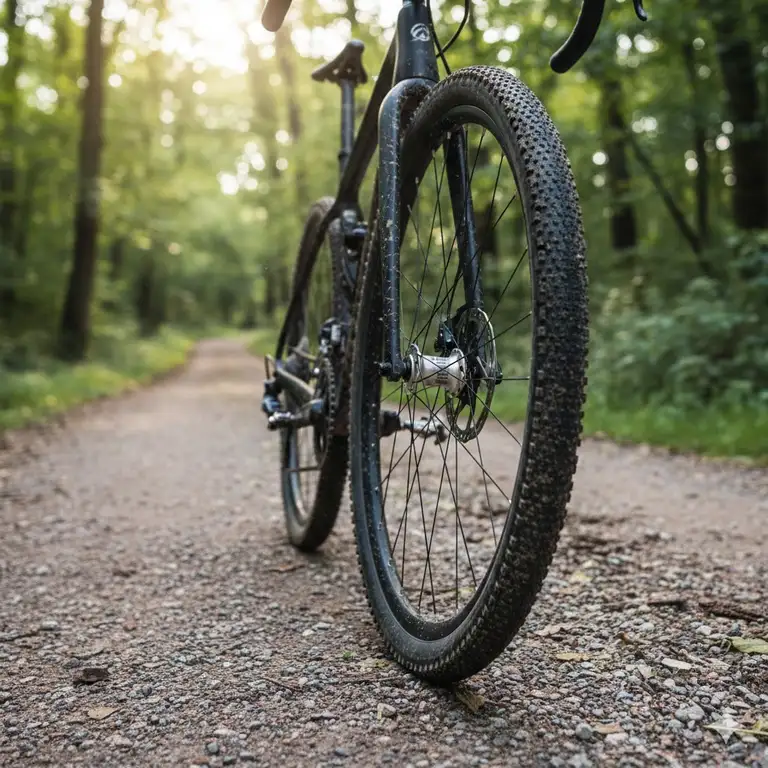
If you’ve been riding bikes for a while, you know the cycling world loves a good debate—and right now, one of the hottest topics revolves around wheel size, specifically the incredible surge in popularity of 650b tires. Gone are the days when 700c (or 29-inch in the mountain biking world) was the only game in town. The shift toward 650b wheels, especially for gravel, adventure, and certain mountain bike applications, represents a paradigm shift in performance, comfort, and handling. This isn’t just a trend; it’s a fundamental change driven by the quest for a more balanced, versatile, and—let’s be honest—fun ride.
✨Was this helpful? Spread the word! 🚀
[addtoany]
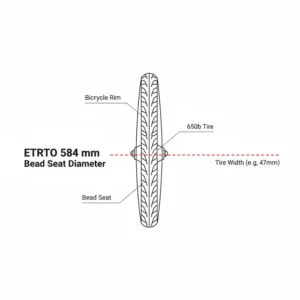
For a long time, bigger was often considered better, but the emergence of the wider, smaller diameter 650b tires has made riders rethink that notion completely. What exactly are 650b tires? Simply put, 650b refers to the bead seat diameter of the wheel, which measures 584mm. When you wrap a high-volume tire around that rim, the entire package has an outer diameter very similar to a standard 700c wheel with a narrow tire. However, the crucial difference lies in the tire volume and the lower pressure you can run, leading to a much smoother, more compliant, and grippier ride. Consequently, many riders are discovering that this alternative offers a substantial edge, particularly when the pavement ends. This comprehensive guide will dissect everything you need to know, from the technical specifications to the best products on the market, helping you decide if swapping to 650b tires is the right move for your next adventure.
❓ What Are 650b Tires and How Do They Compare to 700c?
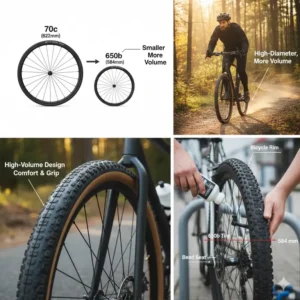
Understanding the essence of 650b tires starts with recognizing the fundamental difference between wheel sizes. When people talk about a 650b wheel, they’re referring to a rim with a 584mm diameter. This is a smaller diameter than the standard road/gravel size, 700c (which is 622mm). This smaller rim size allows you to use significantly wider tires, which in turn provides a larger air chamber, or volume.
Consider the physics: a wider, higher-volume tire can be run at a lower pressure compared to a skinnier tire. This lower pressure allows the tire to deform more easily over obstacles, leading to what we call “suspension effect” and increased contact patch. This is an enormous benefit, especially for anyone tackling rough terrain, whether it’s chunky gravel, rocky singletrack, or poor-quality urban streets.
Table 1: 650b vs. 700c Tire Comparison Matrix
| Feature | 650b (584mm) | 700c (622mm) | Key Differentiating Factor |
| Rim Diameter | Smaller (584mm) | Larger (622mm) | Allows for greater tire volume on 650b. |
| Tire Volume | High (Typical range: 42mm-55mm) | Lower (Typical range: 25mm-38mm) | Directly impacts comfort and grip. |
| Air Pressure (PSI) | Lower (Typically 25-45 PSI) | Higher (Typically 45-80 PSI) | Lower pressure increases compliance and reduces rolling resistance on rough surfaces. |
| Outer Diameter (Tire Mounted) | Very similar to 700c with narrow tire | Very similar to 650b with wide tire | The overall package size is often equivalent. |
| Handling | More agile, quicker acceleration | More stable at speed, better rollover | Smaller wheel accelerates faster, but larger maintains momentum. |
| Best For | Technical gravel, mountain biking, mixed terrain, smaller riders. | Road cycling, light gravel, time trials, maintaining speed. | Versatility vs. outright speed on smooth surfaces. |
Ultimately, a set of high-quality 650b tires offers a unique combination of nimbleness and plush comfort that a traditional 700c setup with narrower rubber simply can’t match on challenging surfaces. If your goal is to maximize grip and float over rough ground, paying close attention to this wheel size is definitely worthwhile. Furthermore, many bike manufacturers are now designing frames around the “road plus” concept, which is essentially a modern bike optimized for 650b wheels and plush tires.
🛠️ The Technical Deep Dive: Benefits of Wide 650b Tires
It’s one thing to say that wide 650b tires are better on rough ground, but understanding the why is what separates a knowledgeable cyclist from a casual one. The benefits are deeply rooted in tire engineering and the physics of riding.
Enhanced Comfort and Compliance
The sheer volume of air in a wide 650b tire acts as a powerful, undamped suspension system. When you encounter a bump or crack, the tire deforms, absorbing the impact rather than transmitting it straight up through the frame to your hands and posterior. This leads to dramatically reduced rider fatigue over long distances. Moreover, this compliance means you don’t have to “fight” the bike as much on rough surfaces, letting you concentrate on the ride itself.
Improved Grip and Traction
The larger contact patch that results from running lower pressure on 650b tires significantly increases traction. This is absolutely critical for climbing steep, loose gravel or cornering confidently on unpredictable surfaces. Instead of skipping or sliding, the wider tire profile molds to the terrain, giving you more control. This enhanced grip is a major reason why many cyclists are switching to this tire size for their gravel bike tires.
Quicker Acceleration and Agility
Due to the slightly smaller rim diameter, the mass of the wheel and tire combination is closer to the center of the axle (lower rotational inertia). While the difference isn’t massive, it means that a bike with 650b wheels generally feels quicker to accelerate and more agile when making rapid direction changes. This makes the smaller wheel diameter an attractive option for mountain bikers and cyclocross racers who value responsiveness. However, a common misconception is that 650b wheels have higher rolling resistance. In fact, on real-world rough surfaces, the lower pressure and better compliance often result in lower rolling resistance than a higher-pressure 700c tire that is constantly bouncing and losing momentum. For the discerning rider seeking a competitive edge, understanding the nuances of how these tires behave can be a real game-changer.
Table 2: Performance Metrics: 650b vs. Traditional Setups
| Performance Metric | High-Volume 650b Setup | Narrow 700c Setup | Impact on Riding Experience |
| Vibration Damping (Comfort) | Excellent (High Air Volume/Low PSI) | Fair to Poor (Low Air Volume/High PSI) | Reduces rider fatigue on multi-hour rides. |
| Cornering Traction (Grip) | Superior (Large Contact Patch) | Good (Smaller Contact Patch) | Increases confidence and control on loose terrain. |
| Rolling Resistance (Rough Terrain) | Lower (Tire conforms, maintains speed) | Higher (Tire bounces, loses momentum) | Allows for faster speeds with less effort on challenging roads. |
| Acceleration (Agility) | Faster (Lower Rotational Inertia) | Slower (Higher Rotational Inertia) | Quicker response in stop-start traffic or technical trails. |
| Pinch Flat Resistance | Good (More air buffer) | Fair to Poor (Less air buffer) | Reduces the chance of flatting when hitting obstacles. |
If you’re looking for a comfortable, versatile, and high-performance option for your bike, taking a hard look at the best 650b bike tires is definitely the move.
🌟 Top 7 650b Tires: Expert Analysis from Amazon
To give you a real-world perspective on the best options available today, I’ve scoured the market for reputable, high-performance 650b tires. These are products that consistently receive high marks from experienced riders and offer a range of options from aggressive tread to sleek slick designs. When selecting tires, remember to check the actual measured width and ensure your frame and fork have adequate clearance.
| Product Name & Model | Width/TPI | Tubeless Ready | Best Application |
| WTB Venture Road Plus Tire (TCS) | 47mm (650b x 47) / 60 TPI | Yes | All-Road, Mixed Surface, Gravel Endurance |
| Teravail Cannonball Tire (Durable) | 47mm (650b x 47) / 60 TPI | Yes | Aggressive Gravel Racing, Wet Conditions |
| Panaracer GravelKing SK (TLC) | 48mm (650b x 48) / 126 TPI | Yes | Fast Rolling Gravel, Dry Conditions |
| Maxxis Re-Fuse Tire (TR EXO) | 47mm (650b x 47) / 60 TPI | Yes | Commuting, Training, High Puncture Resistance |
| Schwalbe G-One Allround (TLE) | 40mm (650b x 40) / 67 TPI | Yes | Smooth Gravel, Pavement, All-Weather |
| Continental Terra Trail (ProTection) | 40mm (650b x 40) / 3/180 TPI | Yes | Technical Trails, Looser Soil, Singletrack |
| Rene Herse Switchback Hill (Endurance) | 48mm (650b x 48) / 120 TPI | Yes | Ultimate Comfort, Fast on Pavement & Gravel |
1. WTB Venture Road Plus Tire (TCS)
The WTB Venture Road Plus Tire is arguably the tire that cemented the 650b tire concept for gravel riding. It’s designed as a “road plus” tire, meaning its 47mm width aims to give the same outer diameter as a 700c road tire while offering massive volume.
-
Technical Specifications: 650b x 47mm, 60 TPI (threads per inch) casing, Tubeless Compatible System (TCS), dual-compound rubber.
-
Customer Review Analysis: Users consistently praise its versatility. “I’ve used these for everything from packed dirt to paved century rides, and they just float over everything,” noted one rider. The central ridge provides low rolling resistance on pavement, while the aggressive outer knobs bite hard in corners.
-
Pros/Cons Analysis:
-
✅ Pros: Excellent versatility, high volume for comfort, predictable cornering thanks to the shoulder knobs.
-
❌ Cons: Can feel sluggish on smooth, fast pavement compared to a pure slick tire.
-
-
Professional Application: Ideal for long-distance bikepacking and adventure riding where terrain is highly varied.
2. Teravail Cannonball Tire (Durable)
Built for speed and durability in the challenging environment of gravel racing, the Teravail Cannonball Tire features a tightly packed, directional center tread with widely spaced side knobs. It’s an excellent choice for riders who need both fast rolling and reliable traction.
-
Technical Specifications: 650b x 47mm, 60 TPI, Durable casing option (extra protection), Tubeless-Ready.
-
Customer Review Analysis: The Durable casing option is a standout feature for riders in rough areas. Many reviews highlight its puncture resistance: “I ride on fields full of goatheads and have yet to flat with these,” an ecstatic customer reported.
-
Pros/Cons Analysis:
-
✅ Pros: Exceptional durability and puncture resistance, fast rolling center, great stability at high speed.
-
❌ Cons: A slightly heavier tire due to the reinforced casing; can pack up with sticky mud more easily than open-tread designs.
-
-
Professional Application: Highly recommended for competitive gravel events like Unbound Gravel or Crusher in the Tushar.
3. Panaracer GravelKing SK (TLC)
The Panaracer GravelKing SK is a staple in the gravel world, and its 650b x 48mm version is a powerhouse. The SK (Semi-Knobby) tread design is a masterclass in compromise, blending efficient rolling with confident grip. This is one of the most popular 650b gravel bike tires globally.
-
Technical Specifications: 650b x 48mm, 126 TPI casing (TLC), ZSG Natural Compound.
-
Customer Review Analysis: Known for its suppleness and exceptional ride quality. Reviewers often mention its light feel and speed: “These tires absolutely fly on hardpack and are surprisingly capable on loose stuff,” said one reviewer, although some wished for more sidewall protection.
-
Pros/Cons Analysis:
-
✅ Pros: Very fast-rolling, lightweight (especially the standard casing), fantastic ride quality due to high TPI.
-
❌ Cons: Sidewalls are thinner than some rivals, requiring careful setup to avoid cuts and weeping sealant.
-
-
Professional Application: Perfect for fast group rides and races predominantly on hard-packed gravel or light dirt.
4. Maxxis Re-Fuse Tire (TR EXO)
While often overshadowed by their mountain bike offerings, the Maxxis Re-Fuse Tire is a top-tier choice for commuters, training, and riders demanding unparalleled puncture resistance in a 650b format. It is essentially a slick or very light tread pattern built for the long haul.
-
Technical Specifications: 650b x 47mm, 60 TPI, MaxxShield technology (enhanced puncture resistance), Tubeless Ready (TR) with EXO protection.
-
Customer Review Analysis: The primary praise is directed at the tire’s ability to resist flats. “I switched to these after getting flats every week on my commute; I haven’t had a single one in six months,” a commuter remarked. While not the fastest, its reliability is unmatched.
-
Pros/Cons Analysis:
-
✅ Pros: Incredible durability and flat protection, long tread life, excellent for urban and pavement use.
-
❌ Cons: Minimal tread means poor performance in deep mud or loose gravel; heavier than race-oriented tires.
-
-
Professional Application: High-mileage training, commuting, and supported endurance cycling where reliability is paramount.
5. Schwalbe G-One Allround (TLE)
The Schwalbe G-One Allround is a venerable choice among cyclocross and gravel enthusiasts, offering a distinctive ‘golf ball’ micro-knob pattern across the entire casing. Its “Allround” designation means exactly that: a capable tire for almost every surface.
-
Technical Specifications: 650b x 40mm, 67 TPI, Tubeless Easy (TLE) construction, OneStar compound.
-
Customer Review Analysis: Reviewers highlight its consistent, confidence-inspiring grip, especially on wet pavement and smooth-to-moderate gravel. “The transition from the center to the edge is so smooth, it holds a line beautifully,” one enthusiastic user wrote.
-
Pros/Cons Analysis:
-
✅ Pros: Predictable grip in all conditions, relatively light, excellent tubeless setup ease.
-
❌ Cons: The small knobs can wear down faster than larger-tread tires if used heavily on pavement; the 40mm is narrower than some competitors’ 650b options.
-
-
Professional Application: Versatile cyclocross training, mixed-surface crit racing, and fast recreational rides.
6. Continental Terra Trail (ProTection)
Continental, a powerhouse in road tires, brings its expertise to the gravel scene with the Continental Terra Trail. This tire is designed for more aggressive riding, featuring a more pronounced, open tread than its ‘Speed’ counterpart. It’s a true 650b mountain bike tire hybrid.
-
Technical Specifications: 650b x 40mm, 3/180 TPI (three layers of 60 TPI), ProTection puncture layer, BlackChili Compound.
-
Customer Review Analysis: Riders love the grip provided by the BlackChili compound, especially in damp conditions. “It hooks up where other tires slide out; the compound is phenomenal,” was a typical positive comment. However, some noted the narrow 40mm width limited its floatation.
-
Pros/Cons Analysis:
-
✅ Pros: Excellent wet-weather grip from the BlackChili compound, high TPI count for a supple ride, aggressive tread for technical trails.
-
❌ Cons: Limited to a 40mm width, which may not offer enough volume for the roughest terrain; pricier than some competitors.
-
-
Professional Application: Trail-focused gravel riding, singletrack, and loose/sandy conditions.
7. Rene Herse Switchback Hill (Endurance)
Formerly known as Compass, Rene Herse Switchback Hill tires are renowned for prioritizing supreme ride quality and speed, often challenging the traditional notion that ‘wider is slower.’ This tire is a wide, supple slick, built for performance on everything but deep mud.
-
Technical Specifications: 650b x 48mm, 120 TPI (Endurance casing for added protection), Extralight or Endurance casing options.
-
Customer Review Analysis: The ride quality is consistently called “magic.” “It feels like I’m riding on silk, even on chip seal roads,” one long-time cyclist stated. The combination of a wide size and flexible casing delivers unmatched comfort.
-
Pros/Cons Analysis:
-
✅ Pros: Unbeatable ride quality and speed on varied terrain, highly supple casing, high-volume comfort.
-
❌ Cons: The Extralight version is susceptible to cuts; the high price point can be a barrier for many.
-
-
Professional Application: Ultra-endurance racing, long-distance touring, and riders prioritizing comfort and speed over maximum puncture resistance.
💬 Just one click – help others make better buying decisions too!😊
[addtoany]
🛒 The Crucial Buying Guide: Choosing Your Perfect 650b Tire
Selecting the best 650b tires for your riding style requires moving beyond the simple ‘is it the right size?’ question. You need to assess tread pattern, casing, and tubeless compatibility, all of which dramatically impact your ride quality and durability.
Tread Pattern: Match the Tire to the Terrain
The tread is the first point of contact and thus the most important feature.
-
Slick/Minimal Tread (e.g., Rene Herse Switchback Hill): These tires, often called 650b road plus tires, are designed for maximum speed on tarmac and smooth hard-packed dirt. They offer the lowest rolling resistance on pavement but struggle immensely in loose dirt or mud.
-
Micro-Knobby (e.g., Schwalbe G-One Allround): Featuring small, densely packed knobs, these provide a good balance. They roll fast on firm surfaces but offer just enough grip to handle light gravel and wet roads.
-
Aggressive/Open Tread (e.g., Continental Terra Trail, Teravail Cannonball): These are essentially scaled-down mountain bike treads. They feature larger, more widely spaced knobs, offering superior traction and mud-shedding capabilities but roll slower on pavement.
Casing and TPI (Threads Per Inch)
TPI refers to the thread count in the tire’s casing fabric. It’s a critical factor in determining ride feel, weight, and durability.
-
High TPI (120 TPI and above): A high thread count means thinner threads and less rubber binder, resulting in a more supple, lighter, and faster-rolling tire. It conforms better to the ground, increasing comfort. Examples include the Panaracer GravelKing SK (126 TPI) and Rene Herse Switchback Hill (120 TPI). However, these casings are generally less resistant to sharp cuts.
-
Low TPI (60 TPI or less): This means thicker, heavier threads and more rubber, making the tire much more robust and puncture-resistant. The trade-off is a heavier, less supple, and slightly slower-rolling ride. The WTB Venture (60 TPI) and Maxxis Re-Fuse (60 TPI) prioritize this durability.
Tubeless vs. Tube-Type
Almost all modern, high-performance 650b tires are “Tubeless Ready” (TR) or “Tubeless Easy” (TLE).
-
Tubeless Setup: Allows you to run lower pressures without fear of pinch flats (snakebites) and uses liquid sealant to instantly plug small punctures. The lower pressure is the key benefit, maximizing the comfort and grip of the wide 650b format.
-
Tube-Type: The traditional setup, which is fine for commuting or non-aggressive riding, but you miss out on the full performance and flat-protection benefits of the 650b wheel size.
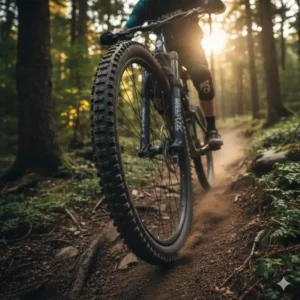
Understanding these technical aspects will help you filter through the myriad of 650b bike tires on the market to find the one that truly elevates your cycling experience. A good resource for further technical information on bicycle tire standards can be found via the ETRTO (European Tire and Rim Technical Organisation), which sets the standards for tire and rim sizing, an essential aspect of fitting tires correctly.
⚙️ Specifications and Compatibility: The Technical Matrix
When you’re dealing with specialized equipment like 650b tires, ensuring compatibility with your existing bike frame is paramount. Just because a tire is 650b doesn’t mean it will fit. You need to consider the maximum tire clearance of your frame and fork, which is usually listed by the manufacturer. If you already have a 700c bike, you need to ensure the 650b conversion will leave enough space. A general rule of thumb is to look for a 700c tire clearance of at least 38-40mm to safely fit a 650b x 47-50mm tire.
Table 3: Technical Specifications Matrix of Top 650b Tires
| Model | Size (650b x mm) | Casing TPI | Max PSI (Approx.) | Approx. Weight (g) | Puncture Protection Tech | Focus |
| WTB Venture | 47mm | 60 | 50 | 545 | TCS (Tubeless Casing) | All-Terrain Grip |
| Teravail Cannonball | 47mm | 60 | 55 | 585 (Durable) | Durable Casing | Durability & Speed |
| Panaracer GravelKing SK | 48mm | 126 | 60 | 480 | Anti-Flat Casing | Race Speed & Suppleness |
| Maxxis Re-Fuse | 47mm | 60 | 75 | 590 | MaxxShield/EXO | Puncture Resistance |
| Schwalbe G-One Allround | 40mm | 67 | 70 | 460 | RaceGuard/TLE | Versatile All-Condition |
| Continental Terra Trail | 40mm | 180 (3×60) | 58 | 465 | ProTection/BlackChili | Technical Gravel Grip |
| Rene Herse Switchback Hill | 48mm | 120 | 50 | 500 | Endurance Casing | Ultimate Comfort & Speed |
The variance in weight and max PSI across the different 650b tires illustrates the different design philosophies. The Maxxis Re-Fuse, with its higher max PSI and weight, is clearly prioritizing bulletproof durability for commuting. Conversely, the Panaracer GravelKing SK offers a lower weight and higher TPI, sacrificing a tiny bit of outright robustness for superior speed and ride feel—perfect for a weekend gravel grinder.
💰 Budget vs. Premium: Finding the Right 650b Tire Value
You don’t need to empty your wallet to get a great set of 650b tires, but like most things in cycling, investing more generally brings superior performance, especially in ride quality and advanced puncture protection. However, the budget offerings provide excellent value for riders not racing or venturing into extremely harsh terrain.
Table 4: Budget vs. Premium 650b Tire Comparison
| Category | Budget Options (e.g., Lower TPI/Wire Bead) | Premium Options (e.g., High TPI/Advanced Compounds) | Key Feature Difference |
| Price Range | Lower ($35 – $50 per tire) | Higher ($65 – $95+ per tire) | Reflects the cost of advanced materials and construction. |
| Ride Quality | Good but less supple; feels ‘duller’ | Excellent, supple, and fast-rolling | Higher TPI casing and specialized rubber compounds. |
| Weight | Heavier | Lighter, especially in Extralight versions | Less rubber and finer threads in the casing. |
| TPI | Low (Typically 30-60 TPI) | High (Typically 120 TPI or more) | Directly impacts flexibility and rolling speed. |
| Compound | Basic, harder rubber | Advanced compounds (e.g., BlackChili, G-One Speed) | Better grip, especially in wet conditions, and lower rolling resistance. |
| Durability | High puncture resistance (but heavier) | High cut resistance (but possibly less tear-proof) | Premium tires balance durability with performance better. |
For riders focused on commuting and training, a more budget-friendly, durable, lower-TPI tire like a Maxxis Re-Fuse offers unbeatable reliability. Conversely, if you are looking to maximize the speed and comfort potential of the 650b wheel size on a high-end gravel bike, a premium option like the Rene Herse Switchback Hill or the high-TPI Panaracer is the way to go. Ultimately, the best 650b tires for you are those that balance your budget with your specific riding demands.
🛣️ Applications: Where 650b Tires Really Shine
The versatility of the 650b tire is truly its superpower. While it originated in the mountain bike world (where it’s often called 27.5 inches), its modern resurgence is strongly tied to the adventure and gravel categories. People who want the maximum utility from a single bike often gravitate towards this wheel size.
Gravel and Adventure Riding
This is, without a doubt, the prime application. A wide 650b tire allows a gravel bike to feel almost like a hardtail mountain bike on rough terrain. The combination of high volume and lower pressure means you can tackle technical singletrack and severely rutted roads that would rattle you to pieces on a 700c setup. This is why you see so many new gravel bikes—from major brands—offering 650b options right out of the box. They are designed to smooth out the bumps and maintain speed over the choicest cut of mixed-surface terrain.
Road Plus and Commuting
The “road plus” concept is simple: take a nimble road bike and fit high-volume 650b tires to it. The goal is comfort without sacrificing the geometry and handling of a fast road bike. For commuters, the increased puncture resistance and ability to absorb potholes make the ride faster and more reliable. Who wants to deal with a flat tire on the way to work? Moreover, the lower air pressure on wide 650b tires enhances cornering on slick, wet city streets.
Mountain Biking (27.5 inches)
In mountain biking, 650b (27.5 inches) remains a vital size, especially for smaller riders or those who prioritize flickability and agility. While 29-inch wheels dominate the XC and trail categories, the 27.5-inch size offers superior quickness and pop off jumps. The physics of a smaller wheel mean faster acceleration and a feeling of greater maneuverability on tight, twisty trails, making 650b mountain bike tires an excellent option for playful trail riding.
Table 5: Key Features/Benefits by Application
| Application | Optimal 650b Tire Feature | Core Benefit | Recommended Model Type |
| Gravel Racing | High TPI, fast-rolling center tread | Maximum speed and low rolling resistance | Panaracer GravelKing SK / Rene Herse |
| Bikepacking/Touring | Durable casing, moderate tread | Reliability, comfort, and load capacity | WTB Venture / Teravail Cannonball Durable |
| Urban Commuting | Max Puncture Protection, Slick Tread | Flat prevention and high mileage | Maxxis Re-Fuse |
| Technical Trail Riding | Open, aggressive tread, reinforced sidewalls | Maximum grip and cornering stability | Continental Terra Trail / Aggressive WTB |
🔍 Customer Review Analysis and Warranty Insights
Analyzing customer feedback is a crucial step for any purchase, and this is especially true for tires, where individual riding styles can heavily influence performance perception. When examining the sentiment around 650b tires, several themes emerge.
-
Tubeless Setup: A recurring point of concern (and praise) is the tubeless setup process. High-quality tires like the Schwalbe G-One Allround are often cited as “popping right on,” while others require more effort, sometimes needing a high-volume air compressor to seal the bead.
-
Durability vs. Ride Quality Trade-Off: Riders repeatedly have to choose between the sublime, fast feeling of high TPI tires (like the Rene Herse) which might require more care, and the “set it and forget it” robustness of lower TPI tires (like the Maxxis Re-Fuse). The preference here is highly personal and depends on the rider’s budget and terrain.
-
Wear Rate: Tires with softer, grippier compounds (like Continental’s BlackChili or similar performance blends) receive immense praise for grip but often draw complaints about faster wear when used extensively on pavement. This is a classic case of you can’t have it all.
Warranty Considerations
Most major tire manufacturers, including WTB, Maxxis, and Schwalbe, offer warranties that cover manufacturing defects, such as casing defects or tread separation, for a period (usually one year). However, it is vital to remember that warranties do not cover normal wear and tear, punctures from riding, or damage from improper installation. If you are experiencing repeated sidewall cuts, the issue is likely more about your casing choice (you need a tire with better sidewall reinforcement, like the Teravail Durable) rather than a manufacturing defect. Always check the specific warranty details on the manufacturer’s website. For instance, Maxxis has detailed information on their warranty policy that distinguishes between defect claims and normal use.
💡 Advanced Considerations: The Role of Tire Pressure
A deep dive into 650b tires is incomplete without a serious discussion of tire pressure. The entire benefit of the larger volume tire hinges on running the correct, lower pressure. The difference between a high-volume tire at 35 PSI and one at 50 PSI is the difference between an incredibly comfortable, grippy ride and a harsh, bouncy one.
The 15% Drop Rule
A useful starting point is often referred to as the “15% drop rule.” This suggests that the tire should visibly deform—or ‘squish’—by about 15% of its height when the rider is seated on the bike.
-
Too High Pressure: The tire doesn’t conform to the road, leading to a bouncy, slower ride (on rough terrain), less comfort, and reduced grip. It defeats the purpose of choosing wide 650b tires.
-
Too Low Pressure: Risk of pinch flats (even with tubeless) and tire burping (air loss), as well as sluggish handling and increased rolling resistance on smooth surfaces.
Furthermore, tire pressure should be adjusted based on the tire width, the rider’s weight, and the luggage/load being carried. A heavier rider or someone loaded up for bikepacking will need 5-10 PSI more than a lighter rider on the same setup. Tools like online tire pressure calculators (often provided by brands like SRAM or Silca) are indispensable for finding your starting PSI, which you can then fine-tune through experience.
🌟 Don’t Miss These Exclusive Deals! 🔍
Take your cycling experience to the next level with these carefully selected products. Click on any highlighted item above—like the incredibly versatile WTB Venture Road Plus Tire or the race-ready Panaracer GravelKing SK—to check current pricing and availability. The right set of 650b tires will help you create a ride you’ll love!
🏁 Conclusion: The Future is Wide, and It’s 650b
The rise of the 650b tire is more than just a passing fancy; it is a fundamental acknowledgment of what cyclists truly need: comfort, versatility, and speed on real-world, imperfect roads. By offering a smaller diameter that allows for significantly greater air volume, the 650b standard successfully bridges the gap between road speed and off-road capability. The result is a setup that is more agile, quicker to accelerate, and dramatically more comfortable over the long haul.
Whether you’re an urban commuter looking to shrug off potholes, a bikepacker seeking all-day comfort, or a gravel racer needing that perfect blend of speed and grip, the market has a premium 650b tire designed just for you. From the unparalleled suppleness of the Rene Herse Switchback Hill to the robust durability of the Maxxis Re-Fuse, the choice ultimately depends on balancing your terrain, budget, and performance goals. Remember, the best upgrade for a bike is often the one that connects you to the ground: your tires. Embrace the 650b conversion and unlock a new level of riding enjoyment.
❓ Frequently Asked Questions
❓ Can I convert my 700c road bike to use 650b tires?
❓ What are the recommended tire pressures for 650b gravel bike tires?
❓ Are 650b wheels and 27.5 inch wheels the same thing?
❓ Which 650b tire is best for maximizing speed on varied terrain?
❓ Should I choose tubeless or use inner tubes with 650b tires?
Recommended for You
- MTB Fenders: 7 Best Models to Upgrade Your Trail Experience in 2025
- Unstoppable Guide: 7 Awesome back fender Options to Buy Now ⚡
- Motorcycle Camping: 7 Expert Picks for 2025 Adventures
Disclaimer: This article contains affiliate links. If you purchase products through these links, we may earn a small commission at no additional cost to you.
✨ Found this helpful? Share it with your friends! 💬🤗
[addtoany]
