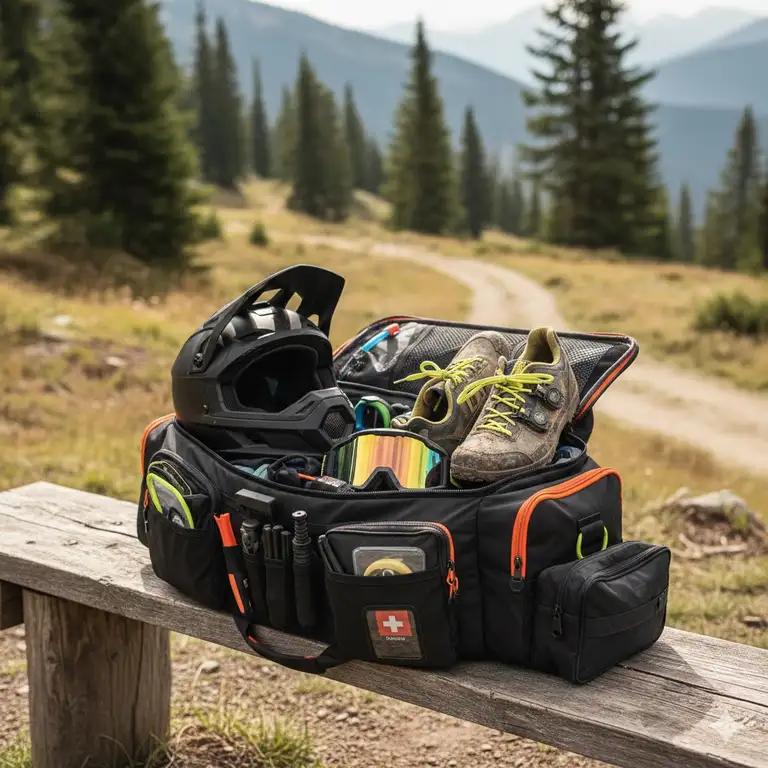
I’ve been there—standing in a dusty trailhead parking lot, frantically digging through the trunk of my car for a single missing glove while my buddies are already clicking into their pedals. It’s a rite of passage for every rider, but it’s one we eventually outgrow. If you’re tired of the “where is my multi-tool?” dance, it’s time to invest in a dedicated mountain bike gear bag.
✨Was this helpful? Spread the word! 🚀
[addtoany]
Organization isn’t just about being neat; it’s about maximizing your time on the dirt. A proper mountain bike gear bag acts as your mobile basecamp. Whether you are heading out for a quick local loop or a week-long epic in Moab, having a system ensures you never forget your helmet, shoes, or that crucial spare derailleur hanger. In this guide, I’m going to walk you through the absolute best options for 2026, comparing technical specs, durability, and real-world performance.
Mountain Bike Gear Bag vs. Traditional Storage Solutions
Before we dive into the specific models, let’s look at why a specialized mountain bike gear bag beats the old plastic bin or the “throw it all in a duffel” method.
Table 1: Gear Storage Approach Comparison
| Feature | Specialized Gear Bag | Plastic Storage Bin | Generic Duffel Bag |
| Organization | Dedicated pockets for helmet/shoes | None (everything piles up) | Minimal |
| Ventilation | Mesh panels for sweaty gear | Zero (hello, mold!) | Limited |
| Portability | Backpack straps/Ergonomic handles | Bulky and awkward | Basic straps |
| Durability | High (ballistic nylon/tarpaulin) | Medium (can crack) | Varies |
| Tool Storage | Specific tool rolls/sleeves | Loose at the bottom | Loose |
Quick Comparison: The Best Mountain Bike Gear Bag Picks for 2026
If you’re in a hurry to hit the trails, here is a snapshot of our top contenders. We will go into much more detail on each of these below.
Table 2: Quick Feature Matrix
| Product Name | Capacity | Best For | Key Highlight |
| Thule RoundTrip Locker | 55L | The Perfectionist | Internal “cells” for every item |
| EVOC Gear Bag | 35L / 55L | Short Trips | Extremely durable tarpaulin |
| Dakine Descent | 70L | Enduro Days | Massive shoe/helmet capacity |
| Osprey Transporter | 65L | Rugged Travel | Weather-resistant TPU coating |
| Patagonia Black Hole | 70L | Eco-Conscious | 100% recycled materials |
| Fox Racing Shuttle GB | 100L+ | Downhill/DH Racing | Integrated changing mat |
| OGIO Rig 9800 | 120L | Long Hauls | SLED System for heavy loads |
Top 7 Mountain Bike Gear Bag Options: Expert Analysis
1. Thule RoundTrip Bike Gear Locker
When it comes to the “gold standard” of the mountain bike gear bag world, the Thule RoundTrip Bike Gear Locker is hard to beat. I’ve used this bag for two seasons now, and its organization is bordering on obsessive. Thule designed this specifically for cyclists who want a “home for everything.”
Technical Specifications:
-
Capacity: 55 Liters
-
Dimensions: 26.4 x 14.2 x 11.8 inches
-
Material: 600D Polyester
-
Weight: 2.8 lbs
-
Special Features: Removable tool pouch, dedicated shoe pocket with tarpaulin lining.
Customer Review Analysis:
Users consistently praise the “locker” style organization. Many riders mention that the bag fits perfectly into the overhead compartment of most airplanes, making it a favorite for destination trips. However, some users noted that the zippers can be a bit stiff when the bag is fully packed to its 55L limit.
Pros:
-
Unrivaled internal organization with “kit” pockets.
-
The shoe compartment is easy to wipe clean after a muddy ride.
-
Includes a dedicated pocket for your helmet (even fits some smaller full-faces).
Cons:
-
Premium price point.
-
Might feel too small for riders who carry multiple sets of armor.
2. EVOC Gear Bag 55L
The EVOC Gear Bag 55L is the rugged, no-nonsense cousin in the mountain bike gear bag category. EVOC is a brand born in the Alps, and that heritage shows in the build quality. This bag is designed to be thrown into the back of a pickup truck and survive the elements.
Technical Specifications:
-
Capacity: 55 Liters (also available in 35L)
-
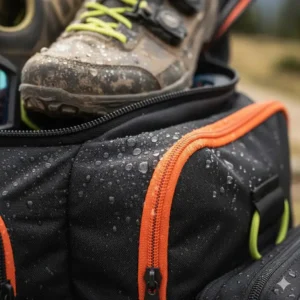
Material: P600D PU Coated (Water resistant)
-
Weight: 2.1 lbs
-
Compartments: 2 Large main sections, 1 side pocket.
Customer Review Analysis:
Riders love the simplicity. It’s essentially a divided duffel with a heavy-duty coating. Reviewers often point out that the ventilation on the side pockets helps dry out damp shoes faster than other bags. A common critique is the lack of a dedicated tool roll, which means your multi-tools might still end up at the bottom of a pocket.
Pros:
-
Incredibly water-resistant and easy to hose off.
-
Lightweight compared to its volume.
-
Very comfortable shoulder strap.
Cons:
-
Less internal “micro-organization” than the Thule.
-
Soft-shell design means it doesn’t hold its shape when empty.
3. Dakine Descent Gear Bag 70L
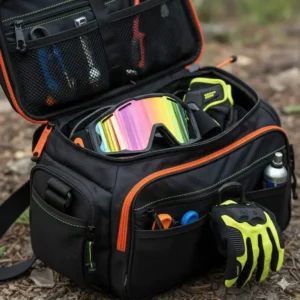
If you are a gravity rider or someone who just carries a lot of stuff, the Dakine Descent Gear Bag 70L is your best friend. This mountain bike gear bag is shaped like a classic duffel but is optimized for the dimensions of MTB protection gear.
Technical Specifications:
-
Capacity: 70 Liters
-
Dimensions: 24 x 15 x 12 inches
-
Material: 600D Polyester Ripstop
-
Features: End pockets for shoes, large U-shaped opening.
Customer Review Analysis:
The consensus is that this bag is a “beast.” It’s highly rated for its ability to swallow a full-face helmet, knee pads, elbow pads, and a chest protector without breaking a sweat. Some users have mentioned that because it is so large, it can get quite heavy, and they wish it had backpack straps.
Pros:
-
Huge volume for protective gear.
-
The U-shaped lid makes it easy to see everything at once.
-
Very competitive price for the size.
Cons:
-
No backpack straps (shoulder strap only).
-
Can become a “black hole” where small items get lost.
4. Osprey Transporter Duffel 65
While not strictly a bike-only bag, the Osprey Transporter Duffel 65 has become a staple mountain bike gear bag because of its legendary durability and weather protection. If you live in the Pacific Northwest or anywhere with constant rain, this is the one you want.
Technical Specifications:
-
Capacity: 65 Liters
-
Material: 800D Nylon with TPU Coating (Dual-sided)
-
Weight: 3.0 lbs
-
Warranty: Osprey All Mighty Guarantee (Lifetime).
Customer Review Analysis:
Customers rave about the TPU coating, which makes the bag nearly waterproof. The stowaway backpack straps are also a huge hit for those who have to trek from the parking lot to the trailhead. A few bike-specific reviewers mention they use packing cubes to compensate for the lack of internal dividers.
Pros:
-
Best-in-class weather resistance.
-
Comfortable backpack carry system.
-
Lifetime warranty—basically a bag for life.
Cons:
-
No dedicated bike-specific compartments (shoes/tools).
-
Heavier than non-coated bags.
5. Patagonia Black Hole Duffel 70L
The Patagonia Black Hole Duffel 70L is a design icon that doubles as a fantastic mountain bike gear bag. It’s built for those who value sustainability without sacrificing the ability to haul heavy equipment over rough terrain.
Technical Specifications:
-
Capacity: 70 Liters
-
Material: 100% Recycled Polyester Ripstop with TPU film.
-
Weight: 3 lbs 3 oz.
-
Features: Daisy chain loops for lashing extra gear.
Customer Review Analysis:
Users love the “burly” feel of the fabric. It’s a favorite for van-lifers and weekend warriors alike. The internal mesh pockets are great for socks and gloves, but as some riders point out, “you’ll want a separate bag for your muddy shoes” to keep the interior clean.
Pros:
-
Extremely packable (folds into its own pocket for storage).
-
Highly water-resistant.
-
Environmentally friendly construction.
Cons:
-
Lacks a rigid bottom, which can make it sag when partially full.
-
Minimal organization for small bike tools.
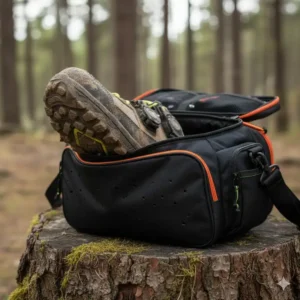
6. Fox Racing Shuttle GB Roller Bag
For the racers and bike park rats, the Fox Racing Shuttle GB Roller Bag is the ultimate mountain bike gear bag. When you’re carrying a full DH kit, wheels make life much easier. This bag is massive and designed for the heavy-duty needs of professional riders.
Technical Specifications:
-
Capacity: Approximately 110 Liters
-
Material: Durable 600D Polyester
-
Features: Heavy-duty wheels, retractable handle, changing mat.
-
Dimensions: 35 x 16 x 18 inches.
Customer Review Analysis:
Reviewers frequently mention the “changing mat” as a game-changer for keeping feet clean in muddy parking lots. The size is both a pro and a con—it fits everything you own, but it’s definitely not a “quick trip” bag. Some have noted that the wheels are sturdy enough for gravel paths.
Pros:
-
Integrated changing mat is a brilliant touch.
-
Massive capacity for full-face helmets and body armor.
-
Wheels take the strain off your back.
Cons:
-
Too large for most airline carry-on requirements.
-
Takes up a lot of space in a smaller vehicle.
7. OGIO Rig 9800 Gear Bag
The OGIO Rig 9800 Gear Bag is the tank of the mountain bike gear bag world. It features the SLED (Structural Load Equalizing Deck) system, which provides a rigid plastic base that protects your gear from impact and keeps the bag upright.
Technical Specifications:
-
Capacity: 123 Liters
-
Material: 600D Poly, 420D Dobby Poly.
-
Weight: 14 lbs (Heavy due to the SLED system).
-
Features: Wide mouth lid, iOM (integrated oversized wheels).
Customer Review Analysis:
Professional mechanics and downhill racers swear by this bag. The protection it offers for expensive helmets and electronics is unmatched. However, the empty weight of 14 lbs is a major talking point—riders who fly frequently have to be careful with airline weight limits.
Pros:
-
The most protective gear bag on the market.
-
Exceptional durability; many users report 5+ years of heavy use.
-
Large wheels roll over almost anything.
Cons:
-
Very heavy when empty.
-
High price point.
✨ Don’t Miss These Exclusive Deals!
🔍 Elevate your ride with these carefully selected products. Click on any highlighted item to check current pricing and availability. These bags will help you stay organized and ensure your gear stays protected for years to come! 🚴♂️
💬 Just one click – help others make better buying decisions too!😊
[addtoany]
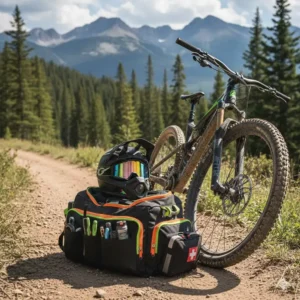
Table 3: Detailed Technical Specifications Matrix
| Feature | Thule RoundTrip | EVOC Gear Bag | Dakine Descent | Fox Shuttle GB |
| Volume | 55L | 55L | 70L | 110L |
| Material | 600D Poly | P600D PU | 600D Ripstop | 600D Poly |
| Backpack Straps | Yes (Stowable) | No (Shoulder) | No (Shoulder) | No (Wheels) |
| Shoe Compartment | Yes (Lined) | Yes (Vented) | Yes (End-cap) | Yes (Large) |
| Tool Pouch | Yes (Removable) | No | No | No |
| Weight | 2.8 lbs | 2.1 lbs | 2.5 lbs | 8.5 lbs |
The Anatomy of a High-Quality Mountain Bike Gear Bag
When you’re looking for the best mountain bike gear bag, it’s easy to get distracted by flashy colors. However, as an expert who has spent hundreds of hours at trailheads, I can tell you that the magic is in the details. Let’s break down what actually matters.
Ventilation: The Silent Hero
We’ve all done it—thrown damp knee pads into a bag and forgotten them until next weekend. If your mountain bike gear bag doesn’t have proper ventilation, you’re basically creating a science experiment. Look for mesh panels or “breathable” compartments specifically for shoes and pads. Brands like EVOC and Thule excel here, using laser-cut holes or mesh top panels to allow moisture to escape.
Material Science: 600D vs. 1000D
You’ll see numbers like “600D” or “800D” in the specs. The “D” stands for Denier, which measures the thickness of the fibers.
-
600D: This is the industry standard. It’s durable enough for most riders and keeps the weight down.
-
1000D/Ballistic Nylon: This is overkill for some, but if you’re a frequent traveler or a pro racer, this thickness ensures the bag won’t rip when dragged across tarmac or rocky ground.
Table 4: Material Performance Breakdown
| Material Type | Durability Score | Water Resistance | Typical Weight | Best For |
| Standard Polyester | ⭐⭐⭐ | Low | Light | Casual weekend use |
| Ripstop Nylon | ⭐⭐⭐⭐ | Medium | Medium | Backcountry adventures |
| TPU Coated Fabric | ⭐⭐⭐⭐ | High | Heavy | Rainy climates/Mud |
| Ballistic Nylon | ⭐⭐⭐⭐⭐ | Medium | Very Heavy | Pro racing/Air travel |
Why Your “Everything Bag” Needs to be Specialized
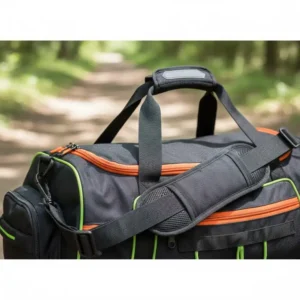
You might think, “I have a gym bag, why do I need a mountain bike gear bag?” It’s a fair question. The answer lies in the specific dimensions of bike gear. A standard gym bag is designed for clothes and sneakers. It isn’t designed for:
-
Helmets: A mountain bike gear bag often has a structured or padded section to prevent your $300 carbon helmet from being crushed.
-
Shoes with Cleats: MTB shoes are stiff and often dirty. A dedicated, easy-to-clean pocket prevents grease and mud from transferring to your clean jersey.
-
Tools: Specialized bags often include elastic loops for shock pumps, tire levers, and CO2 canisters.
Table 5: Benefits Quantification (Gear Bag vs. No Gear Bag)
| Metric | With a Gear Bag | Without a Gear Bag |
| Pre-Ride Setup Time | ~5 minutes | ~15-20 minutes (finding stuff) |
| Gear Longevity | High (organized/protected) | Low (gear gets scratched/smushed) |
| Travel Stress | Low (grab and go) | High (checking checklists twice) |
| Smell Factor | Controlled (ventilation) | “Wet Dog” (trapped moisture) |
Budget vs. Premium: Finding Your Sweet Spot
Is a $200 mountain bike gear bag really worth it? Let’s look at the price-to-feature ratio to help you decide.
Table 6: Budget vs. Premium Comparison
| Feature Category | Budget ($50 – $90) | Premium ($150 – $250+) |
| Organization | Single large compartment | 5-10 specialized compartments |
| Comfort | Basic webbed straps | Ergonomic, padded backpack straps |
| Hardware | Generic zippers | YKK or weather-sealed zippers |
| Extras | None | Changing mats, tool rolls, rain covers |
| Warranty | 1-year limited | Lifetime or 5-year comprehensive |
Table 7: User Compatibility Guide
| Rider Type | Recommended Bag Style | Key Feature Needed |
| The Local Legend | 35L – 55L Duffel | Easy access for quick rides |
| The Enduro Racer | 60L – 75L Backpack | Room for full-face and pads |
| The DH / Park Rat | 100L+ Roller Bag | Wheels and heavy-duty protection |
| The Van-Lifer | TPU-Coated Duffel | Weather resistance and stackability |
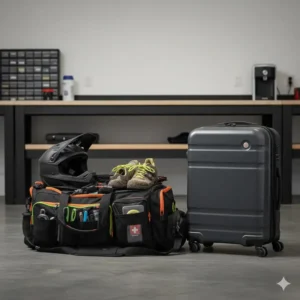
How to Organize Your Mountain Bike Gear Bag Like a Pro
Having the best mountain bike gear bag is only half the battle; you also need to know how to pack it. I follow a “Zone System” that has saved my sanity more times than I can count.
Zone 1: The Heavy & Dirty (Bottom)
Always place your shoes and pedals at the bottom. These are the heaviest items and often the dirtiest. Most specialized bags like the Thule RoundTrip have a dedicated bottom or side pocket for this.
Zone 2: The Protection (Middle)
Place your helmet and pads in the center. This keeps them protected from external impacts by the softer items (like jerseys) surrounding them. If you have a full-face helmet, consider stuffing your gloves and goggles inside the helmet’s chin bar to save space.
Zone 3: The Essentials (Top/Pockets)
Your multi-tool, nutrition, and heart rate monitor should be in the most accessible pockets. There is nothing worse than having to unpack your whole bag just to find a 4mm Allen key.
“A well-organized bag isn’t just about the bag itself; it’s about the discipline of the rider. If you put things back in the same spot every time, your brain goes on autopilot, and you never forget the essentials.” — Anonymous Pro Mechanic.
Performance Metrics: What to Look For in 2026
As we move through 2026, technology in textiles is evolving. We are seeing more mountain bike gear bag options utilizing sustainable materials that don’t sacrifice durability.
Table 8: Performance Metrics Matrix
| Metric | Target Goal | Why it Matters |
| Empty Weight | < 3.5 lbs | Easier to carry when fully loaded |
| Water Resistance | IPX4 or higher | Protects electronics/dry clothes in rain |
| Zipper Cycles | 10,000+ | Ensures the bag lasts for years of daily use |
| Recycled Content | > 50% | Reduces environmental impact of the sport |
✨ Upgrade Your Gear Management Today!
🔍 Stop digging through trash bags and plastic bins. Click on any of the mountain bike gear bag recommendations above to see the latest 2026 pricing and availability on Amazon. Your future self (and your riding buddies who are waiting for you) will thank you! 🚴♂️
Final Thoughts: Choosing Your Perfect Companion
At the end of the day, the best mountain bike gear bag is the one that fits your specific riding lifestyle. If you are a minimalists who just needs to keep your trunk clean, the EVOC Gear Bag is a fantastic, durable choice. If you are a data-driven rider who wants a specific place for every sensor and tool, the Thule RoundTrip Locker will bring you immense peace of mind.
Investing in a dedicated bag isn’t just a “luxury” purchase—it’s an investment in your riding time. By eliminating the stress of searching for gear, you can focus on what actually matters: the trail ahead.
FAQs
❓ What is the ideal size for a mountain bike gear bag?
❓ Can I use a standard duffel bag as a mountain bike gear bag?
❓ How do I clean my mountain bike gear bag after a muddy trip?
❓ Is it worth getting a mountain bike gear bag with wheels?
❓ Do gear bags come with a warranty?
Recommended for You
- 7 Best Rear Bike Bag Options in 2026: The Ultimate Pro Guide Booyah!
- 7 Best bicycle back rack bags for 2026: The Ultimate Pro Guide!
- Bag MTB: 7 Best Rated Packs to Conquer Every Trail in 2026
Disclaimer: This article contains affiliate links. If you purchase products through these links, we may earn a small commission at no additional cost to you.
✨ Found this helpful? Share it with your friends! 💬🤗
[addtoany]
